
Mental & Emotional
Toolbox Techniques

When life gets stressful or something goes wrong, it can feel like our mind won't stop running or that we can't contain our emotions. We may get stuck worrying about the future or replaying things from our past.
This page contains quick tools to use immediately during intense moments. They help you to slow down, take a moment and come back to the present.
Acceptance
We often worry about our problems, thoughts and feelings which makes us feel anxious. We then worry about being worried. And so it escalates with the thoughts themselves becoming over-controlling, and emotions feel permanent.
Acceptance is choosing to adopt an open, curious and receptive attitude to thoughts, emotions, memories and urges as they arise, even when they are unpleasant. This lessens their control over us. They’re still there, but they don’t escalate into a bigger worry.
Russ Harris explains how we have a struggle switch and why we should let it go.
We can flip our struggle switch by riding the wave
Instead of getting caught up and escalating our emotions – we ride the wave while they pass.
Start by identifying the feeling, thought or urge that’s making up the wave. Accept that the feeling exists, allow it to be there, even though it’s unpleasant and you don’t like it. Watch the wave move past and experience that feeling of being on top of the wave rather than the wave crashing down on you.
Breathe in as the wave lifts you up and breathe out as the wave continues on. Ride the wave by repeating this a few times as new waves roll in. Keep breathing in as you go up with the wave and out as the wave passes by.
This video comes from Partners for Children’s Mental Health in Colorado, USA.
If you can cope with guided meditations, try urge surfing with the Pathlight Mood & Anxiety Center.
You can also try to "radically accept" your situation.
This video, narrated by Dr Shireen Rizvi from the DBT Skills from Experts YouTube channel explains the technique of Radical Acceptance:
Mindfulness
Mindfulness is trying to create some distance between ourselves and our thoughts/feelings, so that we can observe them rather than be caught up in them.
Practice mindfulness by:
- developing your awareness of your feelings and why you feel that way
- be open to how you're feeling, let yourself feel everything
- accept what you're feeling. Don't be ashamed, accept them and watch them pass by
- stay in the present moment and focus on what you're doing
Here is a very simple mindfulness technique called Pause, Breathe & Smile.
When you need a calm moment, pause, take a slow deep breath, hold it, count 1 – 2 – 3 – 4 and slowly breathe out. Now, smile.
This video comes from the Pause Breathe Smile Charitable Trust and the Mental Health Foundation.
Circle of Control
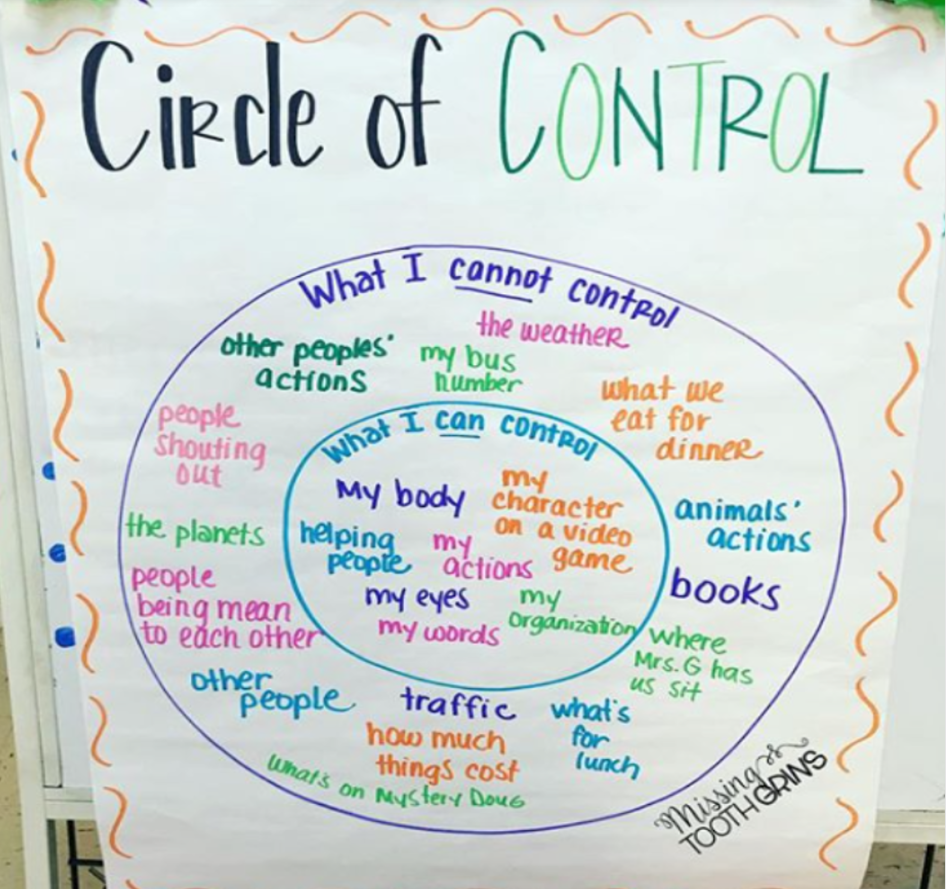
The circle of control is a visual tool used in It helps you separate life into what you can change, such as your own thoughts, actions, and responses. And what you cannot change, like other people's choices or past events. This allows you to stop wasting energy on things outside your power. It was developed by Julian Rotter back in 1954.
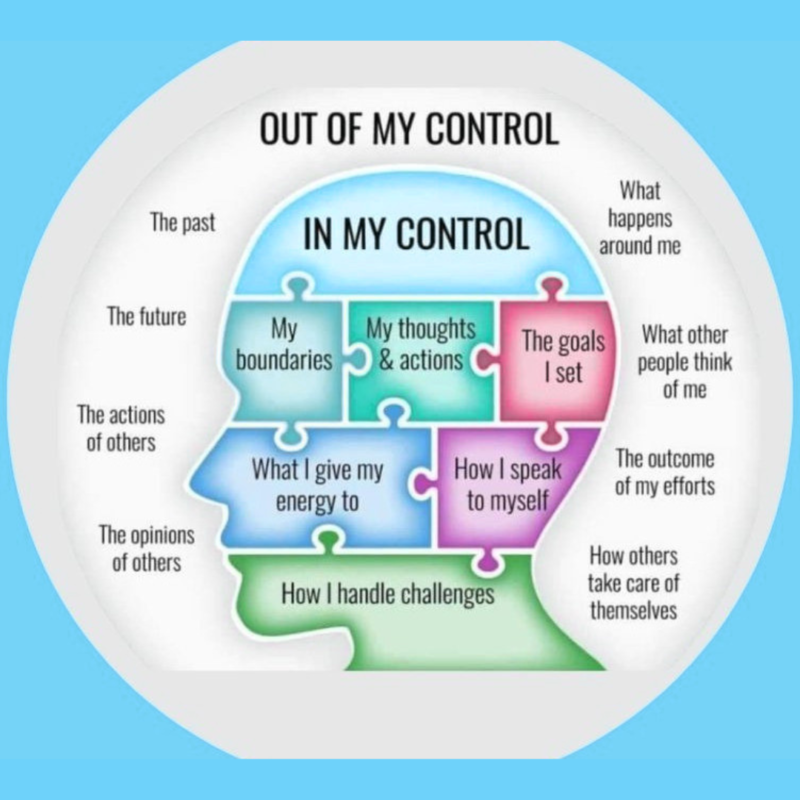
It comes from Acceptance and Commitment Therapy which emphasizes radical acceptance of unchangeable external events while committing to value-driven actions within our direct power.
And it's used in Cognitive Behavioral Therapy which points out that separating what we think from what happens externally helps break cycles of distress.
It reduces stress as it shifts focus back to actionable behaviors activating the prefrontal cortex, and subduing the fear response in the amygdala. Directing energy to controllable choices also releases dopamine tied to goal achievement, reinforcing a resilient feedback loop in the brain.
Work out your Circle of Control
1. Get Materials
- Paper and pen, hopefully coloured pens
- The above graphic of things you can't and can control
2. Draw Your Circles
- Draw a large circle filling most of your page. Label it What I Cannot Control
- Draw a smaller circle inside the first one, leaving a wide outer ring. Label it What I Cannot Control
3. Consider your current issues and put them in the Circles
- Think of your current issues
- Compare them the Circle of Control chart above
- Write your issues in the circle that they fit.
Worry Time
Worries are unhelpful thoughts that you repeat to yourself over and over again about something bad happening in the future. It is easy to get stuck and caught in your worries or trapped in unhelpful thoughts that can snowball and churn around in your mind, like you are in a washing machine on a continuous repeat cycle of unhelpful thoughts.
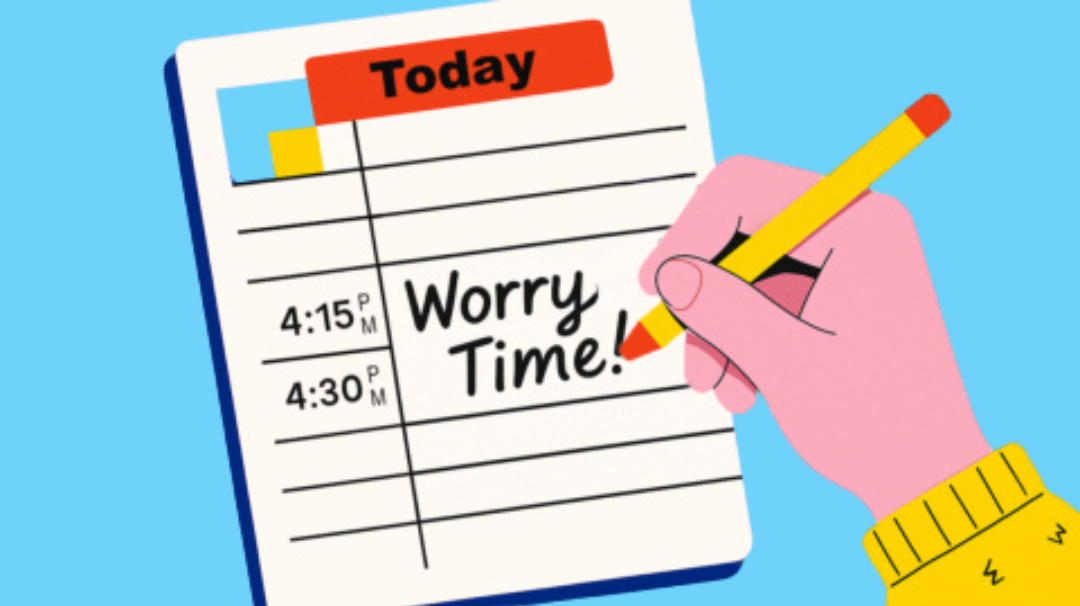
Unfortunately, worrying about a problem rarely helps the situation. You need to spend time problem solving, perhaps even with someone else, to really help the issue. This is where ‘worry time’ can help. This is time set aside to focus on and problem solve your worries. It sounds odd but making a time to worry can free your mind of being trapped in your worries all day and all night.
Listen to the Black Dog Institute, a mental health research organisation in Australia tell you how it works.
How to Practice Worry Time
Pick a time
Choose the same time and quiet place every day, ideally in the late afternoon, but not right before bed.
Pause your worry
Every time a worry comes up, just say to yourself, 'I am going to pause this worry until my worry time'. You can write the worry down on paper or in your phone to remind you later. Remind yourself that you have set aside time to worry about this later. Tell yourself there are other things you need to focus on now.
You can replace that worry by doing a calming down tool.
Use your worry time
Spend your designated 15 minutes reviewing the list.
Some of them might not matter anymore, or are unlikely to happen, if so, just leave those.
For the ones that are still bothering you, separate worries into things you can fix versus things outside your control (see Circle of Control above).
Go through the list one by one. Ask yourself:
- Name your worry
- What are some signs that your worry will not come true?
- If your worry does not come true, what will most likely happen?
- If you worry does come true, how would you cope? Will you be okay? Plan how you will cope.
Stop when time is up: When your timer goes off, physically close the notebook and move on to a planned, engaging activity.
Taming Feelings
Naming your emotions works by shifting brain activity away from your emotional alarm system (amygdala) and activating your logical thinking center (pre-frontal cortex). This is also called affect labeling or name it to tame it.
Simply putting a difficult feeling into words reduces its power over you as you will feel less overwhelmed now you have identified it.
How to Do It
Pause: Stop for a second when you feel a strong wave of anger, sadness, or stress.
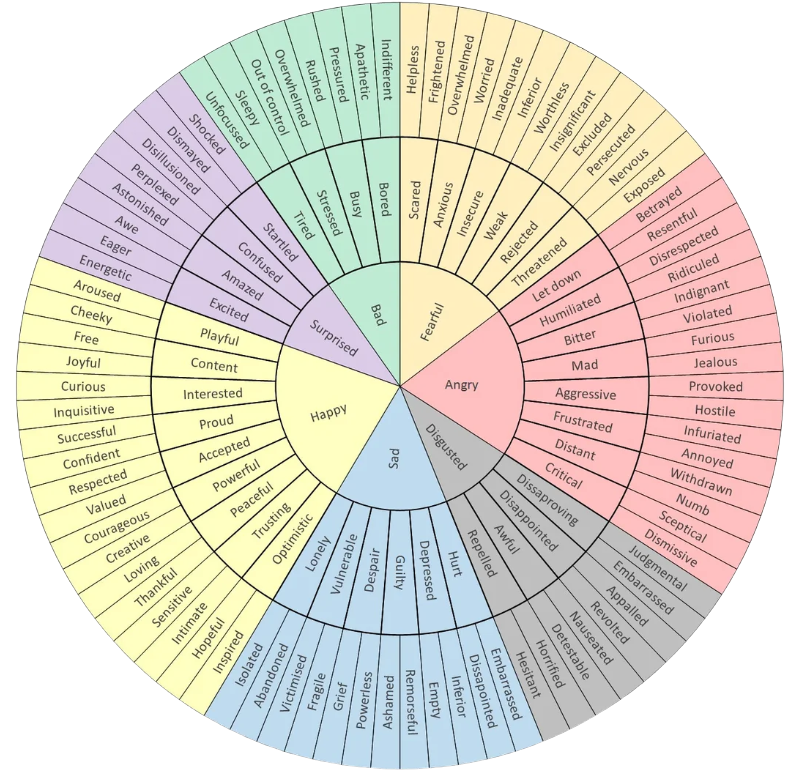
Pick a Specific Feeling: Pick an exact word instead of a vague label like "bad" or "upset". Use terms like frustrated, anxious, disappointed, or lonely. You may want to try using the Feeling Wheel on the next page.
Accept the Feeling: Allow the emotion to exist without judging yourself for feeling it.
Listen to Certified Life Coach Michele Lee Nieves explain how it works (that means she does not have a psychology degree, but she does make short helpful videos).
Here are two activities you can try to better understand your own feelings.
The Feelings Wheel
If you don't understand your feelings, you can't communicate them to others. Think of a baby trying to express its needs—it's pretty hard when you can't say the words.
Use this feelings wheel to help identify and describe feelings. Words on the outer ring are more precise and convey more detail and meaning. For example, jealousy is a more specific feeling than anger.
The more specific the emotion you can name, the more effectively you can tame it.
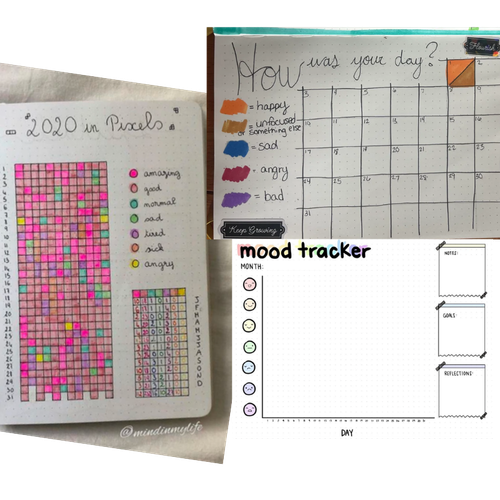
Mood Journalling
Some people like to keep track of their feelings with a journal. This can help with understanding what influences your mood and you can see what patterns appear. You can also note down the activities you did in a day and how you felt doing them.
Taking Action
Behavioural Activation
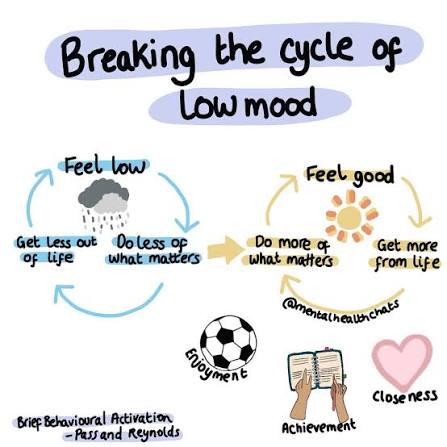
When you experience depression, it drains your energy and motivation, leading to isolation and inactivity. This inactivity feeds the depression, creating a downward loop.
In fact, the less we do, the more we worry.
By choosing to "just do something," you break this cycle from the outside in—using action to jumpstart your mood rather than waiting to feel better before you act. This is because action precedes emotion.
Here's Dr Shirley Pass and Professor Shirely Reynolds activation model as drawn by mentalhealthchats on instagram.
Try doing something. It gets yourself moving.
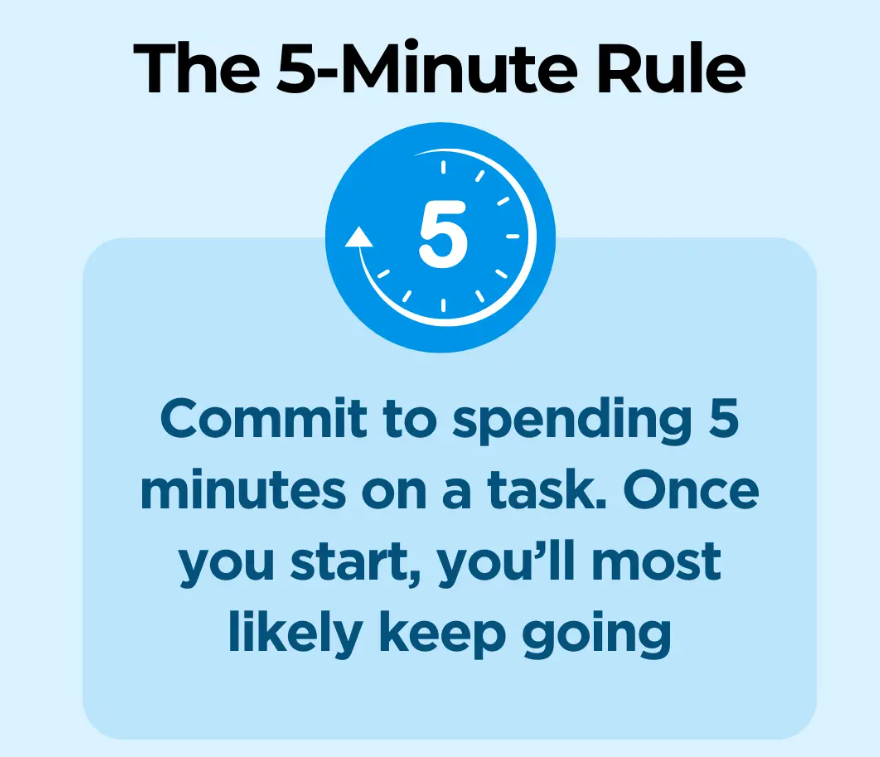
When motivation is zero, large tasks are paralyzing. Try the 5-minute rule where you only do something for 5 minutes.
Opposite Action
Sometimes our feelings may drive us away from the things that can help us feel better. For example, when we're sad we might withdraw from others. When we withdraw, we miss out on being around the supportive people who can help. In these moments, remembering opposite action may be useful.
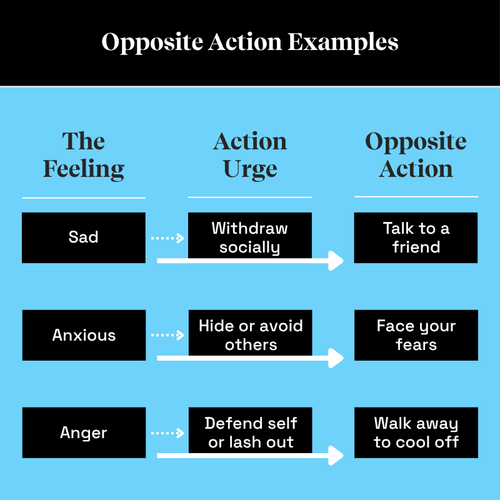
Dr Shireen Rizvi from the DBT Skills from Experts YouTube channel explains how to practice opposite action:
Cognitive Defusion
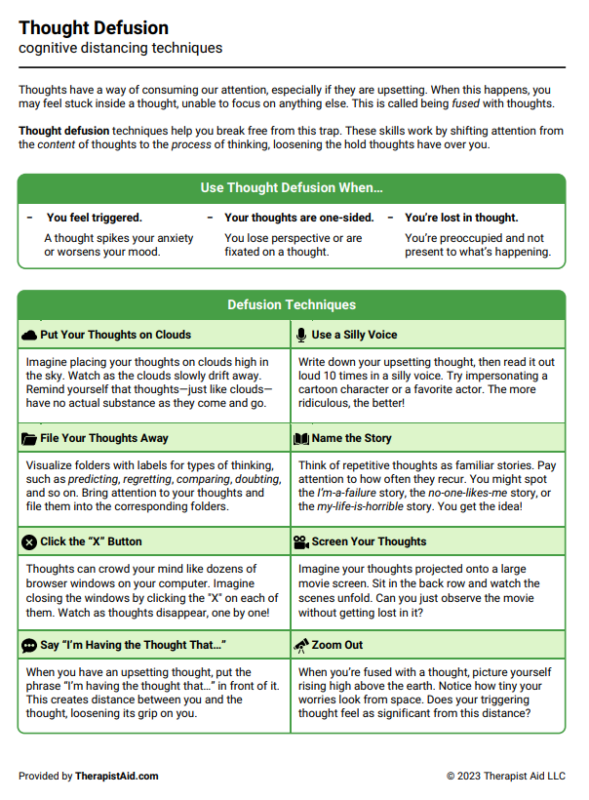
This skill from Acceptance and Commitment Therapy is about creating space between you and your thoughts so they don't automatically control how you feel or what you do.
Check out this video metaphor made by mindifriend on Youtube showing how it works:
Instead of getting caught up in a thought like “I’m not good enough,” defusion helps you notice it as something your mind is saying, not something you have to believe or act on. A small shift like “I’m having the thought that I’m not good enough” can change how it feels. The thought is still there, but it has less grip on you.
Here are some different ways you can practice cognitive defusion:
Catch, Check, Change
Cognitive Behavioural Therapy (CBT) is based on the idea that our thoughts, feelings, and behaviours all affect each other. This means that the way we think about a situation can affect how we feel and what we do next. Thoughts are unhelpful when they stop you acting positively and make you feel worse. Helpful thoughts encourage us to get on with our lives.
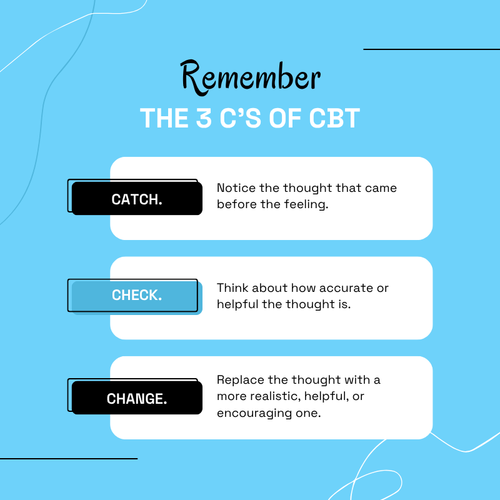
Catch, Check, Change is a technique that helps you challenge unhelpful thoughts instead of automatically believing them.
This Youtube video by RISE explains how it works:
You can follow the steps below to try out the Catch, Check, Change technique for yourself:
Step One: Catch
Catch your unhelpful thought(s). What was the thought that came before your distressing emotion for this situation?
"No one likes me. They didn’t invite me because they don’t want me around."
Step Two: Check
Gather evidence both for and against the thought
- Could there be another explanation?
- Have people included me before?
- Am I assuming I know what others think?
For: "Nobody messaged to invite me."
Against: "Not being invited once doesn’t mean nobody likes me"
Step Three: Change
Develop a helpful balanced thought using the evidence gathered in Step Two.
We are often our toughest critic, so for this step it can be helpful to ask yourself: "If a friend were in a similar situation, what would I say to them?"
“I feel left out right now, but that doesn’t mean nobody likes me. There could be another reason I wasn’t invited.”